Wheat Penny Values Through the Years: For many, the discovery of a wheat penny is a tangible link to the past—a small, copper messenger from another time. Found in the folds of an old ledger, the depths of a grandparent’s coin jar, or even in everyday change, these coins tell a story far beyond their face value. This guide moves beyond mere price charts to explore the journey of the Lincoln Wheat Cent, honoring its history, the people who saved them, and the community that continues to cherish them today.
A Coin Born of Progress
Introduced in 1909 to commemorate the 100th anniversary of Abraham Lincoln’s birth, the Lincoln Wheat Cent was a revolution in American coinage. It was the first regular-issue U.S. coin to feature a real historical figure, a move that democratized our national symbolism. The familiar obverse portrait, designed by Victor D. Brenner, is one of the longest-running in U.S. minting history. The reverse, with its twin sheaves of wheat symbolizing national prosperity, gave the coin its beloved nickname. For nearly five decades, from 1909 to 1958, this design accompanied Americans through two World Wars, the Great Depression, and a period of tremendous national growth, literally passing through millions of hands.
The Pioneering First Decade (1909-1919)
The initial release was met with immediate public excitement. The controversy and subsequent removal of sculptor Victor D. Brenner’s initials (V.D.B.) from the reverse in 1909 created an instant classic with the 1909-S VDB. Coins from this era carry the weight of inception; they are the first chapters of the story. While the famous key dates like the 1909-S VDB and the 1914-D understandably attract attention, every penny from this period speaks to the coin’s groundbreaking introduction and early public life.

Echoes of Change (The 1920s & 1930s)
Minting in the 1920s was often lower, and the economic turmoil of the 1930s Great Depression led to some of the smallest annual productions in the series, such as the 1931-S. Coins from this period, therefore, can be harder to find in any condition. They are silent witnesses to an era of flappers, economic despair, and resilience. A penny saved during the Depression was a penny truly earned, and finding one today feels like uncovering a artifact of perseverance.
The Steel Interlude (The World War II Era)
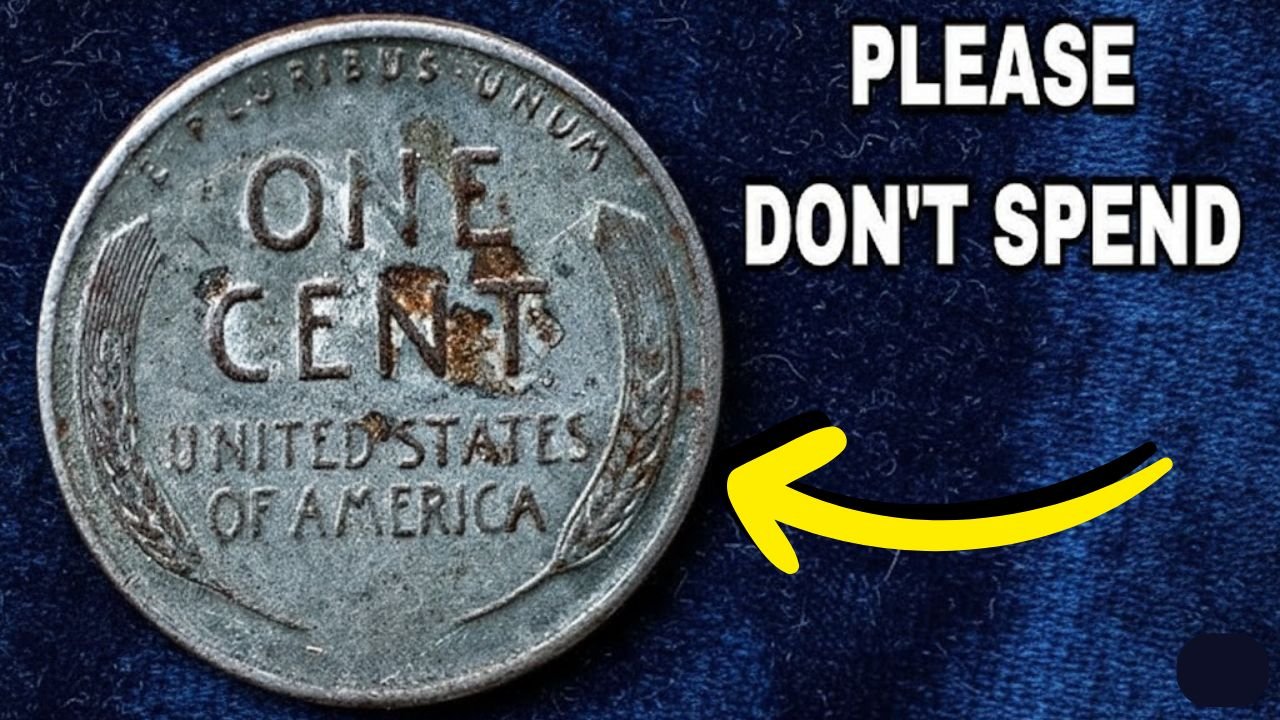
Perhaps the most dramatic chapter in the coin’s history came in 1943. To conserve copper for the war effort, the U.S. Mint struck pennies on zinc-coated steel blanks, creating the unique “silver” pennies of 1943. The rare few 1943 cents mistakenly struck on leftover copper planchets are legendary, but even the common steel cents are powerful, direct symbols of civilian sacrifice during wartime. Holding one is to hold a piece of home-front history.
The Familiar Finale (The Post-War Years)
The return to copper in 1944 ushered in the final, most abundant phase of the Wheat Cent. Mintages were high, and these coins, from the late 1940s and 1950s, are the most likely to be found today. Often well-worn from circulation, they are the coins of America’s post-war boom, of soda fountains and early rock ‘n’ roll. For new collectors, they offer an accessible and nostalgic entry point, reminding many of the coins they might have once spent themselves.

What Gives a Wheat Cent Its Character (and Value)?
The worth of a Wheat Cent is a blend of historical circumstance and personal story. Key factors include:
- Condition & Preservation: A coin’s state—whether heavily worn or miraculously preserved—is the single most important factor. A coin kept in a drawer for 70 years tells a different story than one worn smooth by commerce.
- Place of Origin (Mint Mark): The small letters (D for Denver, S for San Francisco, or none for Philadelphia) indicate where the coin was made. Lower production at certain mints, like San Francisco in the early 1930s, created rarer issues.
- Unintended Uniqueness (Errors & Varieties): Striking errors, double dies, or overdates are mistakes that humanize the minting process. These coins are unique historical accidents, often sought after for their individuality.
- The Narrative of Scarcity: Simply put, fewer coins made for a given year and mint often means fewer survived, increasing demand among those who wish to complete a historical set.
Lincoln Wheat Cent: Essential Information at a Glance
| Feature | Detail |
|---|---|
| Official Name | Lincoln Cent (Wheat Reverse) |
| Years of Issue | 1909 – 1958 |
| Designer | Victor David Brenner |
| Metal Composition | 1909-1942, 1944-1958: 95% copper, 5% tin/zinc. 1943: Zinc-coated steel. |
| Weight | 3.11 grams |
| Diameter | 19 mm |
| Obverse Design | Portrait of Abraham Lincoln with “IN GOD WE TRUST,” “LIBERTY,” and the year. |
| Reverse Design | Two wheat stalks encircling “ONE CENT,” “UNITED STATES OF AMERICA,” and “E PLURIBUS UNUM.” |
| Key/Notable Dates | 1909-S VDB, 1914-D, 1922 No D, 1931-S, 1955 Doubled Die. |
| Why Collected | Historical significance, nostalgia, accessibility, and the challenge of completing a set. |
Frequently Asked Questions
Q: I found a wheat penny in my change. Is it worth anything?
A: While the majority of wheat pennies, especially those from the 1940s and 1950s, are worth between 3 and 10 cents in circulated condition, you should always check the date and mint mark. The thrill is in the hunt, and even common dates are worth saving as pieces of history.
Q: What should I look for to see if my wheat penny is valuable?
A: Carefully examine the date, look for a mint mark on the reverse (below “ONE CENT”), and assess its condition. Is the wheat detail on the back worn smooth, or are the lines still sharp? Then, consult a reliable price guide or reputable online resource for that specific date and mint combination.

Q: Is it a good idea to clean my old wheat pennies?
A: No. Cleaning a coin, even with gentle methods, almost always damages its surface and dramatically reduces its value to collectors. The natural patina, or toning, is part of its authentic story. It’s best to handle coins by the edges and store them in proper, inert plastic holders.
Q: Where is the best place to get my rare wheat penny authenticated or graded?
A: For coins you believe may be high-value or rare, professional grading services like PCGS or NGC provide authentication, grading, and protective encapsulation. This is recommended for key dates or coins in exceptional condition.
Q: Why do people still collect these old, common coins?
A: Collecting Lincoln Wheat Cents is about more than metal value. It’s a form of historical preservation, a connection to everyday life in 20th-century America, and an accessib