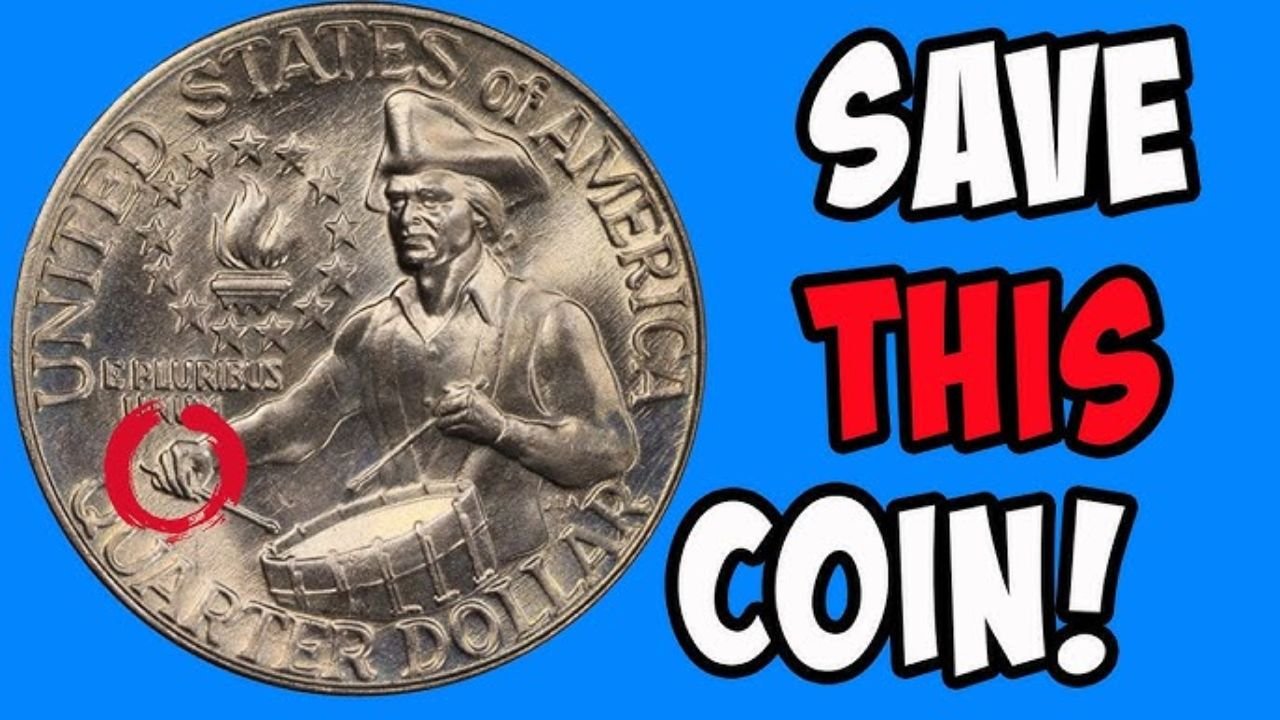
The 1976 Bicentennial Quarter, with its distinctive colonial drummer design, holds a special place in American numismatics. Minted to commemorate the nation’s 200th anniversary, hundreds of millions entered circulation, making them a familiar find. While most remain worth their face value, a dedicated community of collectors knows that certain rare variations still exist in the wild, turning an ordinary coin hunt into a potential historical discovery.
The Allure of Silver Composition
Among the most sought-after versions are those struck in 40% silver. These were not intended for general circulation but were produced at the San Francisco Mint and sold in special three-coin sets to collectors. Over the decades, some of these silver coins have found their way into everyday change, creating exciting opportunities for sharp-eyed individuals. A silver quarter is easily identifiable by examining its edge; unlike the standard copper-nickel coin which shows a prominent brown stripe, the silver version has a solid, uniform silver color. Even worn examples carry a premium for their precious metal content, while pristine specimens can be quite valuable.
The Joy of the Search
The enduring appeal of the Bicentennial Quarter lies in its accessibility and potential. It serves as a tangible link to a national celebration and invites everyone to participate in numismatics. The process encourages learning about minting processes, honing observational skills, and appreciating historical artifacts. Whether you’re sifting through a handful of change or examining an old collection, remembering a few key tips—check the edge for silver, inspect details for doubling, and always handle coins carefully to preserve their surface—can transform an ordinary moment into a discovery.

| Bicentennial Quarter Type | Key Identifying Feature | Typical Value Range (Circulated/Uncirculated) | Mint Mark |
|---|---|---|---|
| Standard Copper-Nickel | Brown/copper stripe on edge. Drummer on reverse. | $0.25 / $1 – $500+ (for highest grades) | “D” or None |
| 40% Silver Proof | Solid silver edge. Mirror-like, frosted design. | N/A (not circulated) / $10 – $1,000+ | “S” |
| 40% Silver Uncirculated | Solid silver edge. Business strike (non-proof) finish. | $8 – $15 / $20 – $250+ | “S” |
| Double Die Obverse (DDO) | Visible doubling in “IN GOD WE TRUST” and date. | $100 – $1,000+ | Varies |
| Major Mint Error | Off-center strike, clipped planchet, missing clad layer. | $75 – Several Thousand | Varies |
The Intrigue of Minting Variations
Beyond silver, value is also determined by the coin’s condition and specific mint of origin. Coins from Denver (marked with a “D”) or Philadelphia (with no mintmark) are common in worn states. However, examples that were preserved in flawless, uncirculated condition directly from the mint are surprisingly scarce. For these standard coins, exceptional preservation is the key to significant value, with gem-quality pieces commanding attention from serious collectors.
Rarity in Imperfection: Errors and Oddities
The bustling mints of the bicentennial year occasionally produced coins with unique irregularities. Notable errors, such as dramatic doubling of lettering and design elements, off-center strikes, or clipped planchets, are highly prized. These minting mistakes were often caught by quality control, making those that escaped into public hands genuine rarities. Authenticated major errors represent some of the most valuable finds in the series, appealing to specialists who treasure these accidental pieces of history.
Frequently Asked Questions (FAQ)
Q: How can I quickly tell if my 1976 quarter is silver?
A: The fastest method is the “edge check.” Tilt the coin and look at its side. A standard quarter has a distinct brown copper sandwich stripe. A 40% silver Bicentennial quarter will have a solid silver-colored edge with no copper band.

Q: Are all Bicentennial quarters valuable?
A: No, the vast majority in circulation are the common copper-nickel variety and are worth 25 cents. Value comes from specific attributes: silver composition, exceptional uncirculated condition, or a verified mint error.
Q: What does “no mintmark” mean on my quarter?
A: Coins struck at the Philadelphia Mint traditionally do not carry a mintmark. So, a 1976 Bicentennial Quarter with no letter near the drummer’s head was made in Philadelphia.
Q: I found a possible error coin. What should I do?
A: First, examine it carefully under good light with a magnifying glass. Avoid cleaning it, as this can drastically reduce value. Research similar errors online and consider having it authenticated by a reputable coin grading service for a definitive assessment.

Q: Why is the date 1776-1976 on all these quarters?
A: This dual date commemorates the signing of the Declaration of Independence (1776) and the 200th anniversary of that event (1976). All quarters minted in 1975 and 1976 bear this special date.
The journey through pocket change is more than a search for monetary value; it’s an engagement with a shared national story. The 1976 Bicentennial Quarter, a piece of celebratory history still in hand, reminds us that wonder and discovery can be found in the everyday.