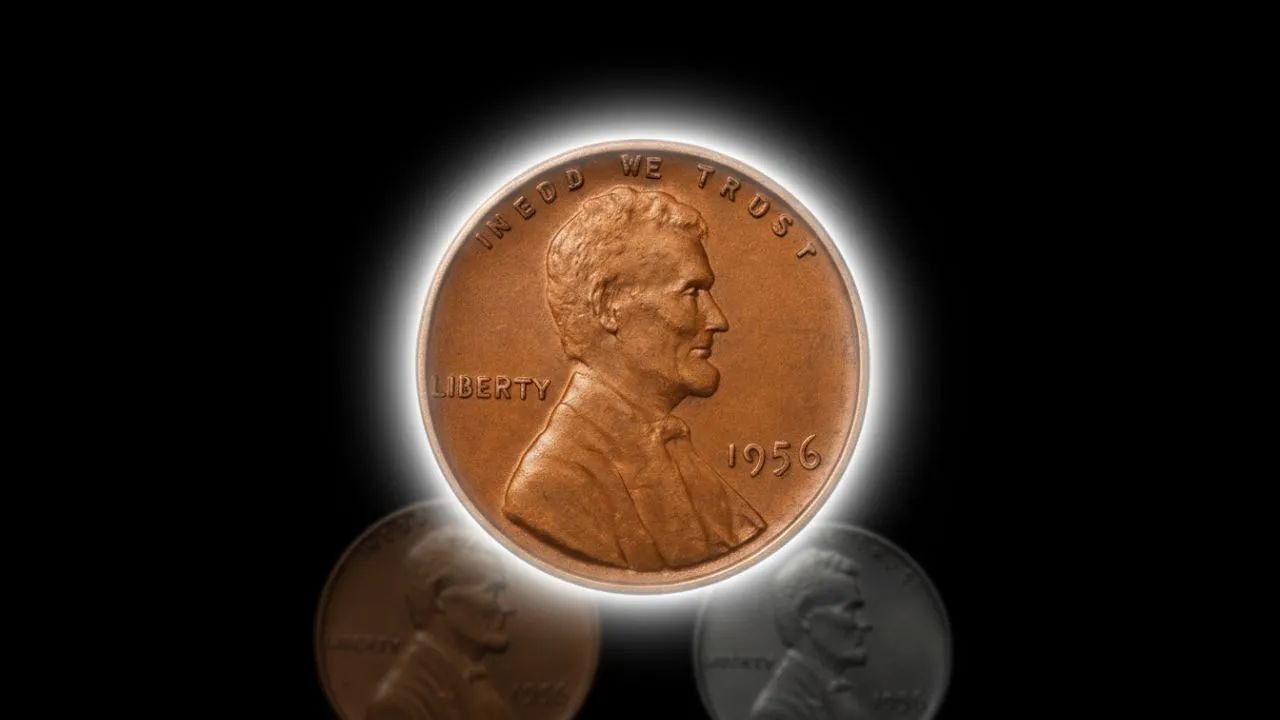
Value of Wheat Pennies: For over a century, the humble Lincoln Wheat Penny has nestled in pockets, piggy banks, and memories, serving as a quiet witness to American history. Minted from 1909 through 1958, these coins featuring two stylized wheat stalks on their reverse are more than just currency; they are tangible fragments of the past. The last ten years have witnessed a remarkable renaissance in their appreciation, transforming them from common pocket change into cherished pieces of historical artistry. This exploration delves into the human stories behind the value, charting a decade of passion-driven collecting.
A Bridge to Bygone Eras
The sustained fascination with Wheat Pennies is rooted in a deep, personal connection they foster. They are among the most democratic of collectibles, offering an accessible entry point into numismatics. For many, the journey begins with a handful of coins passed down from a grandparent, a found treasure in an old dresser, or the simple thrill of searching a coin roll. Their design spans nearly five decades of profound change—from the dawn of the automotive age through two world wars and the Great Depression. Holding a Wheat Penny is to hold a small, silent piece of that enduring national narrative, making history personal and touchable.
A Decade of Dynamic Growth (2016-2025)
The market for Wheat Pennies has evolved significantly, shaped by technology and a growing community of enthusiasts. The rise of online marketplaces, educational forums, and social media groups has democratized knowledge and access, connecting collectors like never before.

- Common Coins, Uncommon Interest: Even well-circulated, common-date Wheat Pennies have seen a gentle uplift in attention, often valued between 3 and 15 cents each. They remain the foundational joy for new collectors building their first sets.
- The Premium of Preservation: Coins that survived in untouched, uncirculated condition have appreciated notably. A common-date Wheat Penny in brilliant state might have traded for a few dollars a decade ago but can now command $5 to $12 or more, as collectors increasingly seek out original luster and fine detail.
- The Strength of Scarcity: The most dramatic stories belong to coins that were always rare. Key and semi-key dates, particularly in above-average condition, have demonstrated resilient value growth, often outpacing traditional investments as collectors compete for finite examples.
- The Seal of Confidence: The widespread adoption of professional, third-party grading services has brought a new layer of security and clarity to the market. Coins sealed in graded holders, especially those with top-tier numerical grades for their preservation, have established strong, reliable benchmarks for value.
Notable Coins and Their Stories
The past decade has reinforced the legendary status of certain issues, whose values reflect their unique place in minting history.
- 1909-S VDB: The quintessential “first-year” rarity, with its tiny “S” mint mark and the designer’s initials (VDB) on the reverse. Its story as a briefly minted issue has captivated generations, sustaining and increasing its status as a centerpiece of any collection.
- 1914-D: Struck at the Denver Mint in relatively small numbers, this coin represents a classic scarcity. Its challenge lies in finding one that hasn’t been worn smooth from decades of circulation, making well-preserved examples particularly prized.
- 1922 “No D”: A fascinating chapter of minting history from a year when Denver production was minimal. Due to a die error, some coins show no mint mark at all, creating a notable and sought-after variety that sparks detective work among collectors.
- The Allure of Errors: Certain dramatic minting mistakes have captured the public imagination. The iconic 1955 Doubled Die Obverse, where the date and lettering appear visibly duplicated, is a celebrated example. Even more legendary are the 1943 Bronze and 1944 Steel cents—accidental compositions from the wartime switch to steel planchets—that represent the ultimate dream finds, commanding values in the tens or even hundreds of thousands of dollars.
The Heart of the Hobby: What Creates Value?
Beyond metal and mint marks, a coin’s worth is a blend of tangible and intangible factors that resonate with collectors.
- Condition is Paramount: The state of preservation is the single greatest driver of value. A coin that looks as fresh as the day it left the mint tells a compelling story of survival.
- Authenticity and Trust: In a field where reproductions exist, professional authentication and grading provide peace of mind, creating a trusted marketplace for significant purchases.
- The Narrative of Rarity: A coin’s story—be it a low mintage, a famous error, or a challenging survival rate—fuels desire. It’s the hunt for a chapter missing from one’s own collection.
- Community and Connection: The vibrant online and in-person community of collectors drives interest, shares knowledge, and creates the collective demand that sustains the hobby’s vitality.
Wheat Penny Reference Table: Key Dates & Trends (2016-2025)
| Coin Issue | Notable Feature | Approx. Value Range (Circ. Good-VG) 2016 | Approx. Value Range (Circ. Good-VG) 2025 | Value Driver & Note |
|---|---|---|---|---|
| 1909-S VDB | First Year, Low Mintage | $600 – $800 | $1,000 – $1,800+ | Iconic status, perpetual demand from set builders. |
| 1914-D | Key Denver Issue | $150 – $250 | $350 – $600+ | Consistently low mintage, a staple “key date” for collections. |
| 1922 No D | Major Die Variety | $400 – $600 | $800 – $3,000+ | Scarce error; value highly dependent on grade and die stage. |
| 1931-S | Semi-Key Low Mintage | $60 – $90 | $120 – $300+ | Final “S” mint wheat penny, crucial for completing sets. |
| 1955 DDO | Famous Doubled Die | $1,000 – $1,500 | $2,000 – $4,500+ | Most recognizable error, popular beyond specialist circles. |
| Common Dates | (e.g., 1940s, 1950s) | 2¢ – 5¢ | 3¢ – 15¢ | Bulk value rise reflects broad hobby growth and accessibility. |
Note: Values are for representative circulated grades (Good to Very Good). Uncirculated (Mint State) examples command significantly higher, often exponential, premiums. All values are market approximations.

Frequently Asked Questions
What exactly is a Wheat Penny?
A Wheat Penny is the colloquial name for the Lincoln cent designed by Victor D. Brenner and minted from 1909 to 1958. It is identified by the image of two wheat stalks on the reverse (tails) side, framing the words “ONE CENT.”
Is it true that all Wheat Pennies are valuable?
While all Wheat Pennies hold historical interest, most common dates found in circulated condition are valued primarily for their copper content and collectibility in bulk, typically ranging from a few cents to about fifteen cents each. Significant monetary value is tied to specific dates, mint marks, condition, and errors.
How has the hobby changed in the last ten years?
The internet has been the greatest catalyst. Online auctions, collector databases, and vibrant social media communities have increased transparency, education, and access. This has helped standardize values and connect a global community of enthusiasts.

Where is the best place to look for these coins today?
While a rare find in everyday circulation still happens, most are discovered through inherited collections, estate sales, old coin jars, or by purchasing from reputable coin dealers and shows. The “hunt” often begins at home.
Should I collect Wheat Pennies as an investment?
Approach it first as a passion for history and collecting. While key dates in high grade have shown strong appreciation, the primary reward is the joy of the pursuit. Collect what you enjoy, learn about the stories behind each coin, and view any financial gain as a potential long-term benefit of thoughtful collecting.
Why do people still cherish these old pennies?
They represent a physical, personal link to the past. The act of holding, sorting, and preserving them connects individuals to history in a way digital records cannot. They are miniature works of art, pieces of archaeology, and a shared hobby that bridges generations, making the past palpably present.